

Dental Crowns – Arlington, TX
Durable Protection for Damaged or Decayed Teeth
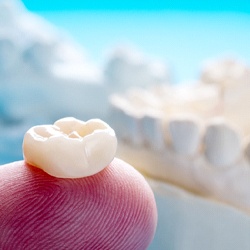
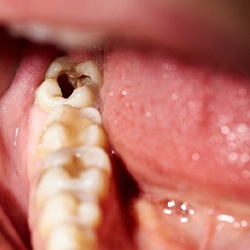
Teeth can become damaged and decayed due to a variety of reasons, including poor oral hygiene, trauma while playing sports, or even accidentally tripping and falling while you’re walking. Without the proper protection and strength, this damage could leave your tooth vulnerable to the threat of dental emergencies and more serious oral health problems, like infections. When left untreated for too long, it could even result in the need for a tooth extraction. To help strengthen and protect your smile, your dentist in Arlington, Dr. Wardlaw, offers high-quality, customized dental crowns.
What is a Dental Crown?

A dental crown is a cap-shaped structure that is custom-crafted to fit over the biting surface of your tooth, located above the gumline. It can be made from a variety of materials, including gold, ceramic, porcelain, and countless others, depending on your budget and your preference.
Many patients are surprised to learn how versatile these restorations are. We typically suggest them in any of the following situations:
Depending on your situation, we’ll walk you through all of your treatment options and make sure that you have all the information necessary to make the best decision for your oral health. We’ll also ask you about any aesthetic desires that you have so that we can customize your restoration to look exactly how you’d like it to.
The Process of Getting a Dental Crown
The process of getting a dental crown typically takes place over the course of multiple appointments and a few different steps:
The Benefits of Getting a Dental Crown
Dental crowns are a common treatment that we conduct here at I-20 Family Dental. These restorations boast a wide array of benefits for our patients, including:
If you feel as though you could benefit from receiving a dental crown, call our office today. We can examine your smile and let you know what treatment we would suggest!
Dental Crowns FAQs
What are dental crowns made from?
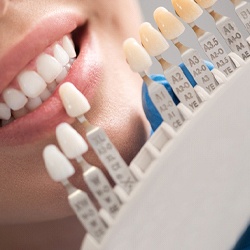
Historically, dentists relied on dental crowns and other repairs made from amalgam mixtures of metal that could darken patients’ smiles or increase sensitivity. Today, Dr. Wardlaw provides beautiful, long-lasting restorations made from more biocompatible and lifelike materials, such as gold or porcelain.
These options can be just as strong and long-lasting as silver crowns, but the ceramic can be customized to match the size, shape, and tone of your natural teeth for seamless results that enhance your appearance and boost your confidence.
Are dental crowns permanent?
Some patients wonder whether their dental crowns function more like dentures, which are intended to be removed and reinserted frequently. However, these tooth-shaped caps are designed to protect damaged teeth and allow you to continue eating, speaking, and smiling normally. They’re not designed to be removed once they’ve been cemented in place, except by a qualified professional, such as Dr. Wardlaw, so they might be considered permanent in this regard.
Not only that, but for the cover to fit correctly over your tooth, our team must remove a small amount of enamel, which doesn’t regenerate. That means this treatment involves making irreversible changes to your teeth. But your crown might eventually wear out or require repair or replacement, so many providers consider them a quality long-term solution rather than a permanent one.
Does getting a dental crown hurt?
You’re not alone if you’re worried that your procedure might hurt, but thankfully, that’s not usually the case. For starters, our team will numb your mouth before starting your procedure to help prevent potential discomfort. We also offer nitrous oxide (laughing gas) and oral conscious sedation to help even the most anxious patients remain calm and comfortable throughout their visit.
With that said, thinning your enamel can sometimes result in temporary sensitivity, because it reveals more of the lower layer of dentin, which contains microscopic tubules that can transmit sensation more easily to the tender roots inside your teeth. This can often be addressed with over-the-counter medications, such as acetaminophen or ibuprofen.
How long do dental crowns usually last?
Are you curious how long your lifelike dental crown is likely to last? On average, they can stay in good shape for 5 to 15+ years, though it can depend significantly on your unique circumstances. Several different factors can potentially affect its lifespan, including the material it’s made from, where it’s located in your mouth, and how well you care for your teeth and gums.
Generally, you can help preserve your prosthetic by:
- Maintaining healthy at-home habits. Brushing and flossing twice daily helps remove plaque and bacteria that contribute to cavities and gum disease, which can cause your restoration to fail.
- Choosing foods carefully. Avoiding anything too hard, crunchy, sticky, or sugary can help protect your tooth-shaped cap.
- Scheduling routine appointments. Visiting our team for a standard checkup and cleaning every six months allows us to monitor your oral health and catch and treat potential issues, such as a destabilized dental crown, before they progress.