

Know The Dangers of DIY Whitening
October 22, 2026
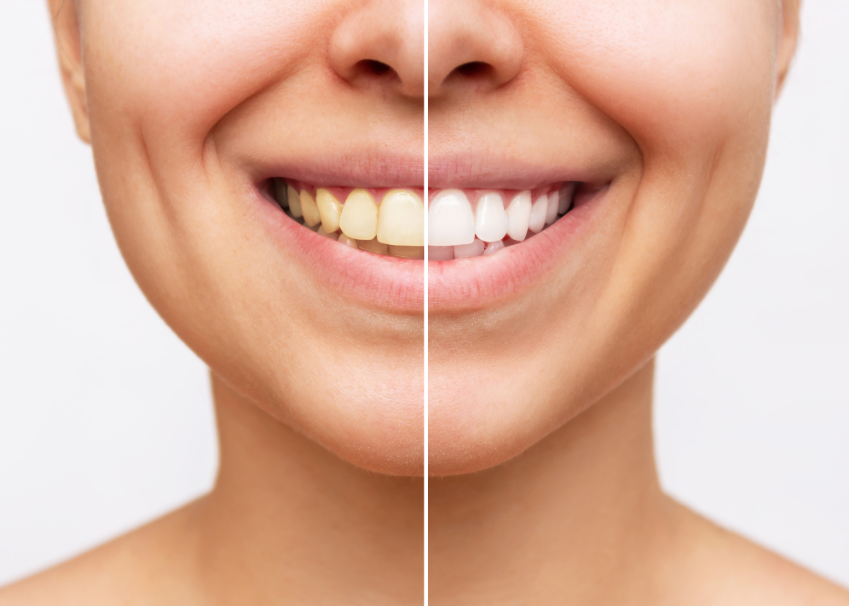
A brighter smile can boost your confidence, but getting those pearly whites doesn’t have to involve risky experiments in your bathroom. From viral social media hacks to homemade whitening pastes, do-it-yourself (DIY) methods can seem like an easy, affordable way to remove stains. Unfortunately, some approaches can do more harm than good. Before trying the latest whitening trend, here’s why professional treatment is a safer way to achieve your smile goals.
Common DIY Teeth Whitening Methods
A quick online search will reveal plenty of supposed shortcuts to a whiter smile. Some people brush with baking soda, apply hydrogen peroxide directly to their teeth, or mix homemade whitening pastes using acidic ingredients like lemon juice and apple cider vinegar. Others try activated charcoal or use whitening products more frequently than their instructions recommend.
While some ingredients may help remove surface stains when used appropriately, homemade mixtures aren’t carefully formulated to protect your teeth and gums. Acidic ingredients can erode enamel, while abrasive substances may wear down the tooth’s protective outer layer. Once enamel is lost, it doesn’t grow back.
Overusing hydrogen peroxide or other bleaching agents can also irritate gum tissue and cause significant tooth sensitivity. Activated charcoal products may be abrasive, and their effectiveness for whitening teeth isn’t well established. Even over-the-counter whitening strips can cause problems when used incorrectly or applied to an unhealthy smile.
What Are the Risks of DIY Whitening?
The biggest concern with DIY whitening is that you may not know what your teeth need before starting treatment. Tooth discoloration can result from surface stains, changes inside the tooth, certain medications, or underlying dental problems. A homemade remedy won’t address every cause, and it could make existing issues worse.
Enamel erosion is particularly concerning because enamel protects the sensitive inner layers of your teeth. As it wears away, your teeth may become more sensitive to hot and cold temperatures. They may also appear yellower as the underlying dentin becomes more visible.
Whitening ingredients that contact your gums can cause irritation, inflammation, or chemical burns, especially when they’re too concentrated or applied incorrectly. If you have untreated cavities, cracked teeth, or gum disease, whitening may aggravate discomfort or complications.
There’s also the risk of uneven results. Natural teeth, dental crowns, veneers, and fillings don’t all respond to whitening products in the same way. An at-home approach may leave you with inconsistent coloring rather than the uniform brightness you wanted.
How Does Professional Teeth Whitening Work?
Professional whitening starts with an evaluation of your teeth and gums. Your dentist can identify potential problems, discuss your goals, and determine whether whitening is appropriate for your smile. If discoloration has an underlying cause, that concern may need attention first.
Depending on your needs and available treatment options, your dentist may recommend in-office whitening or a customized take-home system. In-office treatment uses professional-grade whitening products under controlled conditions, with appropriate precautions to protect your gums and other soft tissues. Your dentist will follow the product’s recommended protocol to help you achieve a brighter smile safely.
Take-home whitening systems provided by your dentist offer another option. Custom-fitted trays and professional guidance help ensure the product is applied correctly and used for the recommended amount of time.
Professional whitening can still cause temporary sensitivity or gum irritation, but your dentist can help you manage these effects and adjust your treatment when needed. With proper evaluation and supervision, whitening can be an effective way to brighten your smile while minimizing avoidable risks.
Give Your Smile the Care It Deserves
You don’t have to gamble with your enamel to enjoy a brighter smile. Choosing professional guidance can help you achieve results while protecting your long-term oral health.
About the Practice
I-20 Family Dental in Arlington, Texas, provides family-focused dental care for patients of all ages. Dr. Stephen Wardlaw earned his bachelor’s degree in microbiology from the University of Arkansas and graduated from Baylor College of Dentistry in 1998. He is committed to continuing education, patient comfort, and advanced dental techniques, and he is a fellow of the International College of Oral Implantologists. The practice offers professional teeth whitening to help patients achieve brighter, more confident smiles.
Call us at (817) 572-5115 or schedule your appointment online
No Comments
No comments yet.
RSS feed for comments on this post.
Sorry, the comment form is closed at this time.